· Prakash Natarajan · Reliability · 15 min read
AI Agent Memory: What Breaks and How to Test It
AI agent memory lets an agent recall facts across sessions, but a shared memory store leaks between tenants and fails quietly. What to store, drop, and test before it reaches a customer.

AI agent memory is a separate, persistent store the agent writes to and reads from across sessions, so a user does not have to repeat themselves and the agent can act on something it learned five minutes or five days earlier. It usually pairs a short-term buffer for the current conversation with a longer-term store, often a vector or graph database, holding facts pulled out of past sessions. Handled well, it is what makes an agent feel like it actually knows the person it is talking to. Handled badly, it is one of the quietest ways a production agent fails, because a stale fact or a leaked memory rarely throws an error. It just gives the wrong answer with total confidence, and nobody notices until a customer does.
What is AI agent memory, and how is it different from a longer context window?
AI agent memory is a separate store the agent writes to and reads from on purpose, while a context window is simply the text the underlying model can see inside one call. A context window has a hard limit. Once a conversation runs long enough, the earliest turns fall out of it, and the model genuinely cannot see them anymore, no matter how important they were. Memory is the deliberate fix for that: instead of hoping the whole history fits in one call, the agent extracts what actually matters, writes it somewhere durable, and pulls it back in later, on demand, regardless of how much the raw conversation has grown. A long session that never falls out of the window entirely has a related failure mode, covered in context rot in AI agents: the conversation still technically fits, but the model’s attention to the earliest turns degrades well before anything actually gets dropped.
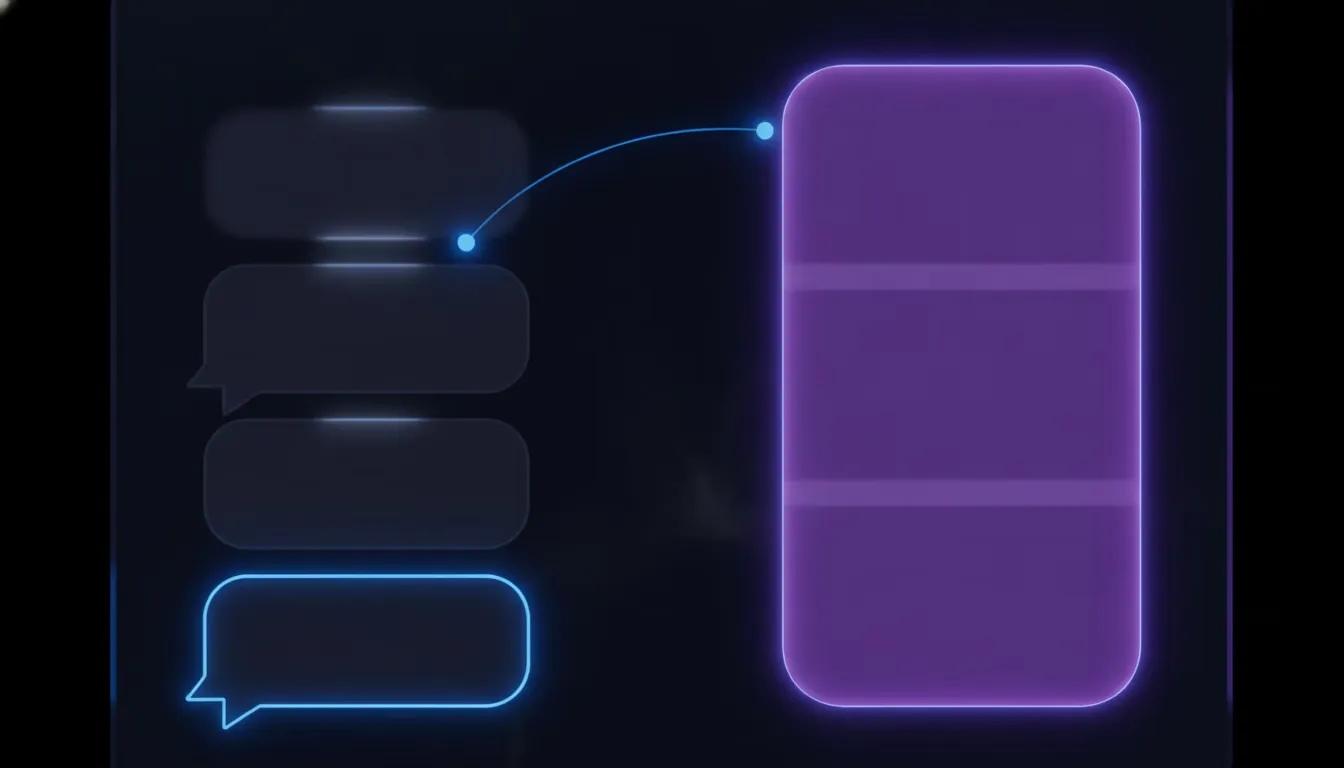
This is also where memory and retrieval-augmented generation get confused, because both involve fetching outside information into a prompt. RAG retrieves from a fixed, external knowledge base, a product manual or a help center, and that knowledge base does not change based on what the user just said. Memory retrieves from a store built out of the agent’s own interactions, so it changes constantly and is specific to one user, one account, or one tenant. A support copilot pulling in a return policy is RAG. The same copilot recalling that this particular customer already tried a factory reset last Tuesday is memory. Most production agents need both, and they solve different problems: RAG answers “what does the company know,” memory answers “what does the agent know about this person, right now.”
What are the different types of memory an AI agent actually uses?
An agent typically draws on four kinds of memory, and knowing which one you are dealing with changes how you build and test it. Working memory is the current conversation itself, everything said in this session, gone once the session ends unless something in it gets promoted to a longer-lived store. Episodic memory holds specific past events: this customer opened a ticket about a failed payment last week, this lead asked about the enterprise tier twice. Semantic memory holds durable, standing facts that are not tied to one moment: this customer’s plan tier, their stated budget, their preferred contact method. Procedural memory is the rarest in practice, a learned pattern for how to handle a recurring situation, closer to a policy than a fact.

The distinction matters because each type has a different shelf life and a different failure mode. Episodic memory ages naturally: what happened last week is still true next week, it is simply less relevant, and a well-built agent should weight it accordingly. Semantic memory does not age the same way, it just goes stale: a plan tier that changed yesterday is not “less relevant” today, it is flatly wrong, and an agent that keeps citing it is actively misleading the person it is talking to. A support copilot that treats a semantic fact like an episodic one, fading it slowly instead of checking whether it is still current, is a common source of the “the bot doesn’t know I upgraded” complaints that show up in support tickets for exactly this reason.
How does agent memory actually break in production?
Agent memory breaks quietly, almost always, because a wrong or missing fact rarely produces an error message. It produces a fluent, confident answer built on the wrong premise, and the user has no way to tell the difference from a correct one. The clearest pattern is the stale override: a customer changes plans, cancels a subscription, or corrects something they said earlier, and the memory store keeps citing the old fact because nothing told it the old fact was no longer true. The agent is not malfunctioning in any way you would catch from the transcript alone. It is doing exactly what it was built to do, with data that quietly went bad underneath it.

A second pattern is memory poisoning, where the agent writes an unconfirmed guess to memory as if it were a fact. If a user says something ambiguous and the agent infers a detail rather than asking, that inference can get stored and treated as ground truth in every later session, compounding the original misread instead of correcting it. A third pattern shows up as the interrogation loop covered in agent testing more broadly: the agent asks for information the user already gave, not because memory does not exist, but because the write path never fired, or the read path is querying the wrong scope. From the outside these three failures look completely different. Underneath, they all trace back to the same root cause: nobody tested what the memory store actually contains against what it should contain.
What should you actually store, and what should you drop?
Store what you could show the user verbatim and have them agree it is true right now, and drop everything else. That is a stricter bar than “facts, preferences, and decisions,” the vague heuristic most memory guides settle for, because it forces a concrete test on every candidate write instead of a judgment call made in the moment. A customer stating their preferred contact method passes the bar. A tool call’s confirmed result, like a ticket number the system actually returned, passes the bar. An inference the model made about why the customer seemed frustrated does not pass, because you could not read it back to them and expect agreement.

Drop transient conversational filler; nobody needs “checking on that now” preserved past the turn it appeared in. Drop unconfirmed guesses the model made about intent, tone, or preference unless the user actually confirmed them. And give every stored fact an expiration path, not just an entry point: a plan tier, a subscription status, or anything else that can change on the account side needs either a freshness check against the source of truth before it gets surfaced again, or a short enough time-to-live that a stale copy cannot survive long enough to matter. Most memory implementations are careful about what goes in and almost careless about what comes back out, which is backward, since a wrong answer only reaches the customer at read time, not write time.
How do you keep one tenant’s memory from leaking into another’s?
You keep it from leaking by scoping every write and every read to a tenant and end-customer key at the query level, not by filtering results after they come back. This is the single most consequential memory decision in a multi-tenant, white-label product, because a vector similarity search that scans a shared collection without a hard tenant filter baked into the query itself can surface a phrase-level match from a different tenant’s data even when the relevance score looks completely normal. Nothing in the response looks like an error. It looks like a slightly odd but plausible answer, and by the time anyone notices, it has usually already reached a customer.
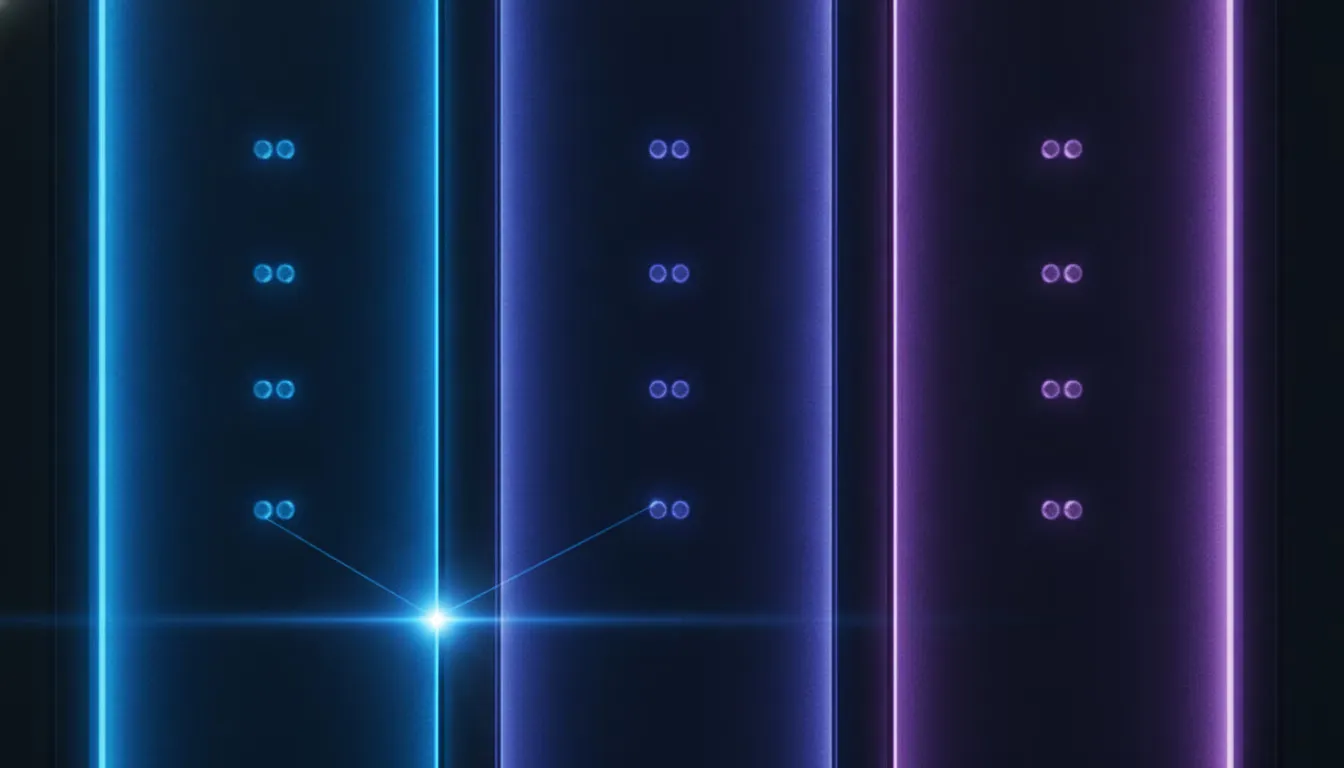
The fix has to live in the data layer, not the display layer. A filter applied after retrieval, in the code that renders a dashboard or formats a response, is a patch on top of a design that already leaked; the query against the memory store itself needs the tenant boundary built in from the first line, the same principle AiAgRe applies across multi-tenant analytics more broadly. Test this the way you would test any access boundary: write memory under two separate fake tenant identities, then deliberately query one tenant’s memory using the other tenant’s session context, and confirm it returns nothing rather than silently returning the wrong records. If that test has never been written, treat it as the first thing to fix, ahead of any feature work on the memory system itself.
How do you test that agent memory holds up before it reaches a customer?
You test agent memory the same way you test any other part of a production agent, with specific, checkable cases run before release and sampled continuously afterward, not with a general sense that “it seems to remember things fine.” Three cases matter most. First, confirm a corrected fact actually overrides a stale one within the same session, not just eventually: tell the agent something changed, then ask a follow-up question that depends on the new fact, and check the answer reflects it immediately. Second, confirm the tenant isolation boundary holds under the deliberate cross-tenant query described above. Third, confirm that a fact your reporting layer depends on, the kind of thing that feeds into whether a conversation counts as resolved, only gets used when the underlying memory record is actually current.

That third case connects memory directly to the numbers a B2B2C AI SaaS product shows its own customers. If a conversation gets marked resolved partly because the agent correctly recalled a prior interaction, and that recollection turns out to be stale or cross-tenant, the deflection rate or resolution rate built on top of it is wrong in the same quiet way the underlying memory was wrong. This is exactly the layer AiAgRe’s tracing sits under: because every memory write and read gets captured at the trace level, alongside the tool calls and model calls covered in AI agent testing and AI agent observability, a test that catches a stale memory fact is the same test that keeps the ROI number you report to a customer honest.
What to fix in your agent’s memory this week
Start by writing down, for your agent’s single most-used capability, what actually deserves to be stored using the verbatim test from earlier: could you show the customer this fact and have them agree it is true right now. Anything that fails that test should either get dropped from memory entirely or get a freshness check added before it can be read back and used. Then write the one test most teams skip: query one tenant’s memory using another tenant’s session context, on purpose, and confirm it returns nothing. If your product has been live for a while without that test existing, treat finding it broken as likely, not surprising, and fix the query scope before anything else.
None of this needs a memory research team or a custom vector database from scratch. It needs an honest audit of what your agent is actually storing today, a hard tenant boundary at the query level, and a habit of testing memory the same way you test the rest of the agent, on a schedule, not once at launch. If you are building the kind of AI SaaS product where your own customers will eventually see the deflection and resolution numbers your agent produces, AiAgRe ties that same trace data straight into a white-label dashboard, so a memory failure shows up as a flagged trace long before it shows up as a number your customer questions.
Frequently asked questions
What is AI agent memory?
AI agent memory is a persistent store an AI agent writes to and reads from across sessions, separate from the model’s context window. It typically combines a short-term buffer for the current conversation with a longer-term store, often a vector or graph database, holding durable facts extracted from past interactions.
What is the difference between AI agent memory and RAG?
Retrieval-augmented generation retrieves from a fixed, external knowledge base that does not change based on the conversation, like a product manual. Memory retrieves from a store built out of the agent’s own past interactions with a specific user or tenant, and it changes constantly as new interactions happen.
What are the main types of AI agent memory?
Working memory holds the current conversation and disappears when the session ends. Episodic memory holds specific past events. Semantic memory holds durable, standing facts like a plan tier or stated preference. Procedural memory, the least common in practice, holds a learned pattern for handling a recurring situation.
Can AI agent memory leak between tenants in a multi-tenant SaaS product?
Yes, and it is one of the most common failure modes in white-label AI products. A vector similarity search across a shared memory collection without a hard tenant filter built into the query itself can surface a match from a different tenant’s data even when the relevance score looks normal. The fix has to live in the query against the memory store, not in a filter applied after retrieval.
How do you test AI agent memory before shipping it to customers?
Test that a corrected fact overrides a stale one within the same session, test the tenant isolation boundary by deliberately querying one tenant’s memory using another tenant’s session context and confirming it returns nothing, and test that any fact feeding into resolution or deflection reporting is current before it gets used, not just present.
How much memory should an AI agent keep?
Only what passes a strict test: could you show the fact to the user verbatim and have them agree it is true right now. Transient conversational filler and unconfirmed inferences the model made about intent or tone should be dropped rather than stored, and anything that can change on the account side, like a plan tier, needs a freshness check or a short expiration rather than being kept indefinitely.
Related reading: AI agent testing covers the tenant-isolation test method this piece builds on, AI agent observability is what watches memory reads and writes continuously once an agent is live, context rot in AI agents covers the sibling failure mode where a long session degrades before anything ever falls out of memory, and the multi-tenant analytics page covers the tenant-scoping architecture that memory isolation depends on. See pricing for how AiAgRe’s tracing and white-label dashboards fit into your stack.